
Wakankar Bharati Sanskruti Anveshan Nyas
Ujjain
Continuing the legacy of Padma Shri Dr. Vishnu Shridhar Wakankar, pioneering archaeological research and preserving India's ancient cultural heritage.
700+
Rock Shelters Documented
50+
Years of Research
500+
Rock Paintings Studied
1
UNESCO World Heritage Discovery
About the Foundation
Preserving India's Ancient Heritage
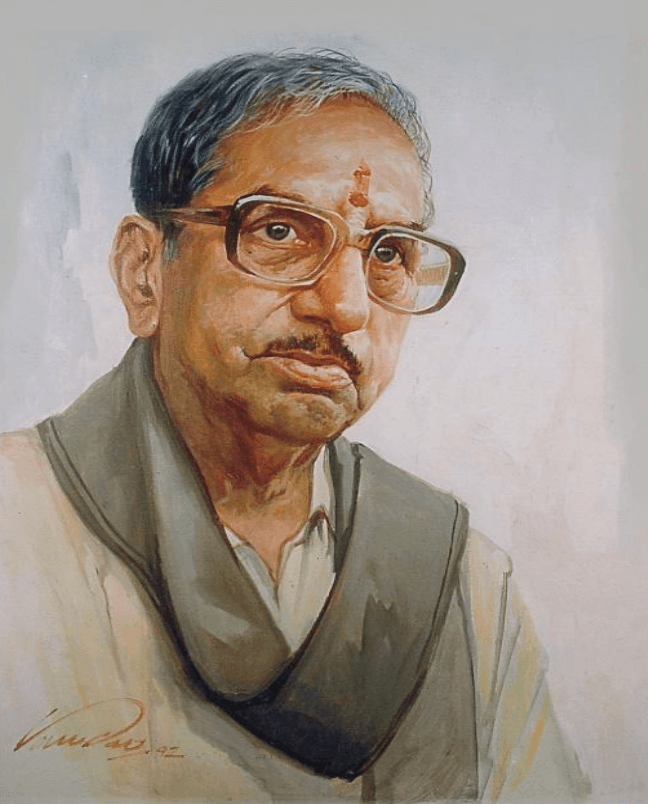
The Wakankar Bharati Sanskruti Anveshan Nyas was established to continue the groundbreaking work of Padma Shri Dr. Vishnu Shridhar Wakankar.
Based in Ujjain, the foundation conducts extensive research into India's prehistoric rock art, the lost River Saraswati, and archaeological excavations across the subcontinent.
Our Work
Research Contributions
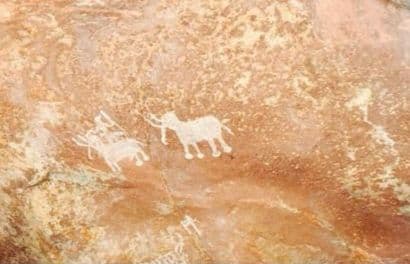
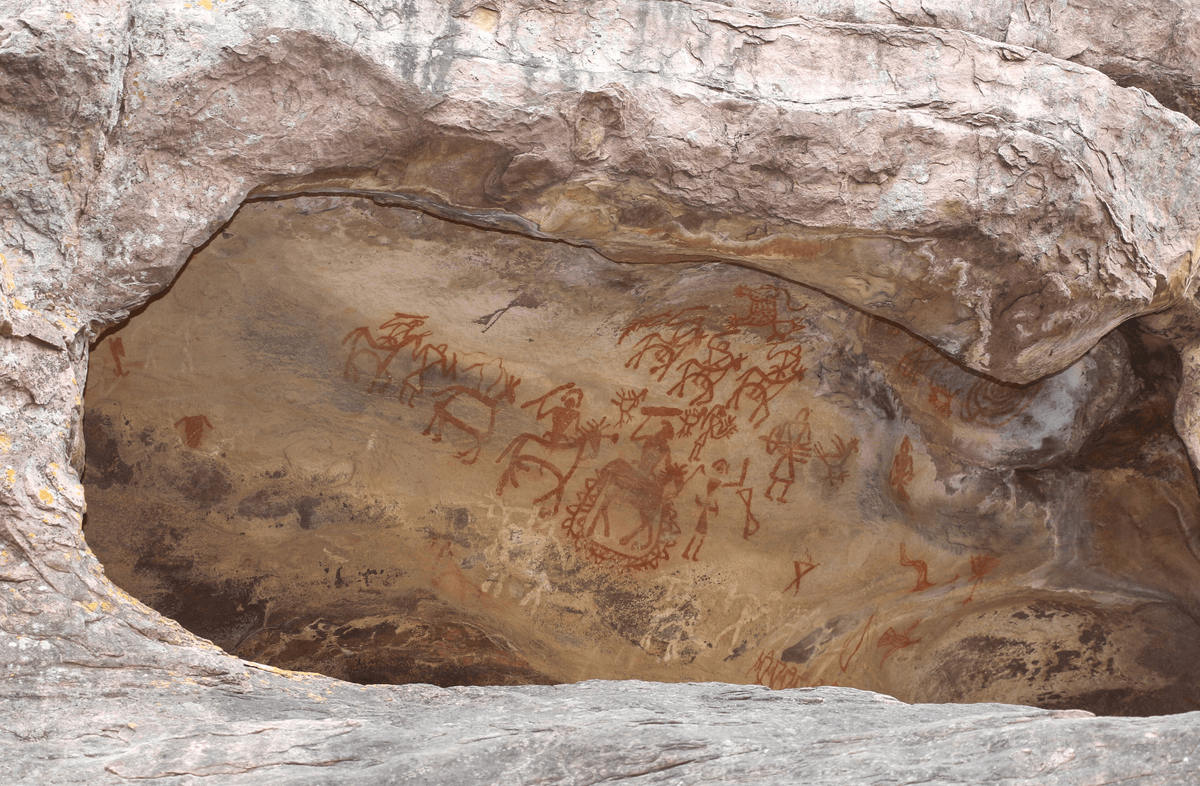
Rock Art Research
Documentation and analysis of prehistoric rock paintings across India's ancient shelters...
Learn more →
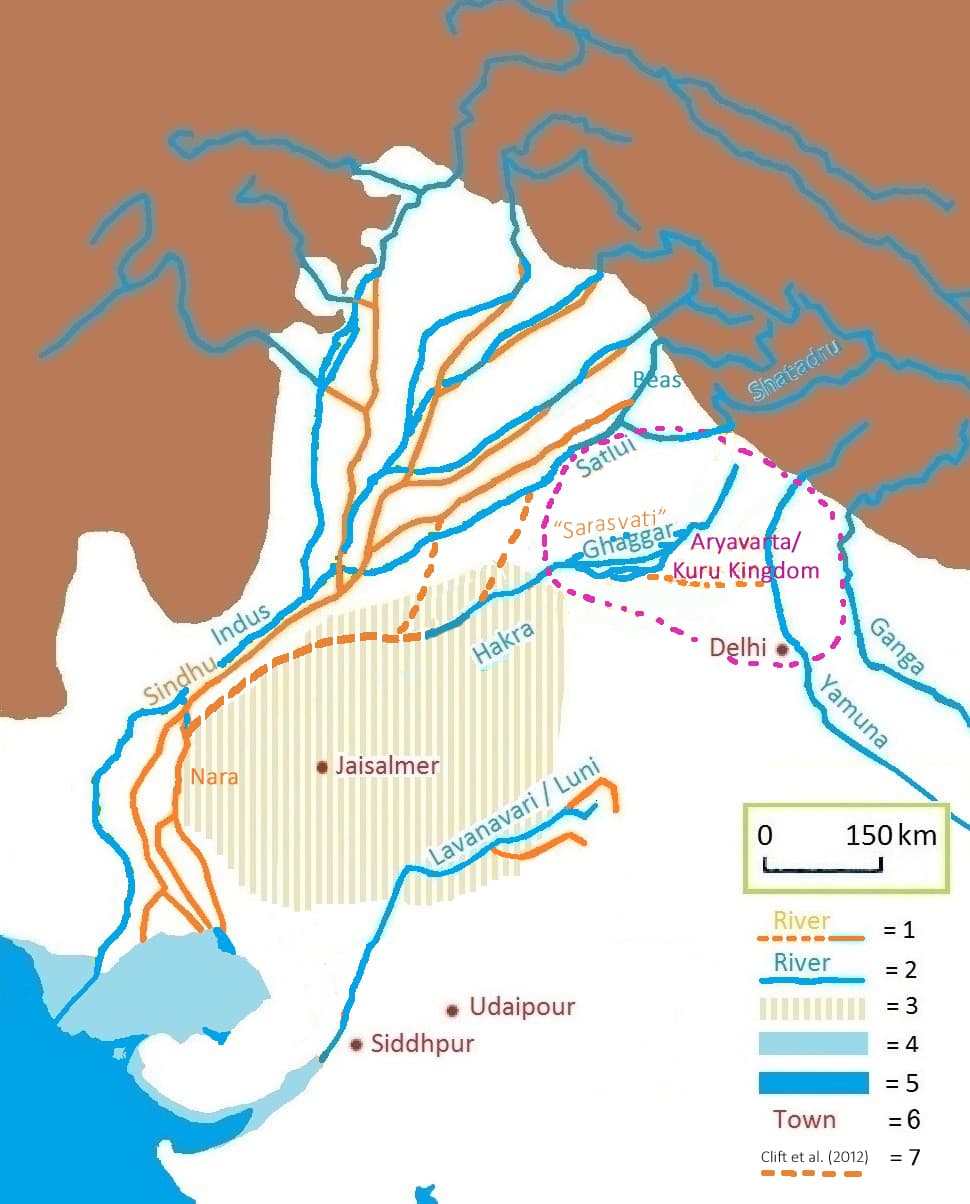
River Saraswati Studies
Tracing the course of the lost Vedic river through geological and archaeological evidence...
Learn more →
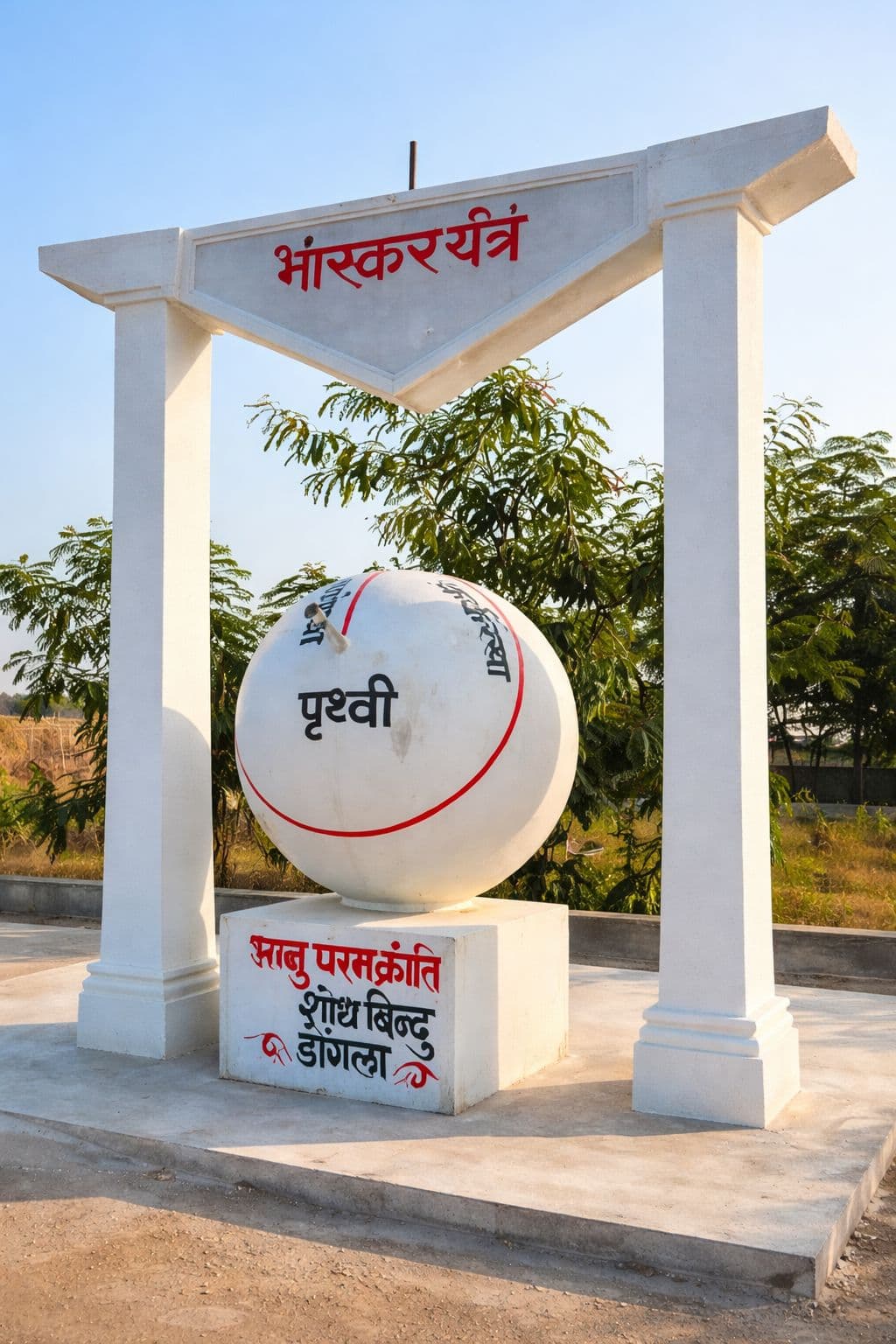
Dongla Meridian Alignment
Study of the ancient astronomical alignment discovered by Dr. V.S. Wakankar....
Learn more →
Archaeological Excavations
Excavations and discoveries revealing India's prehistoric cultural heritage....
Learn more →
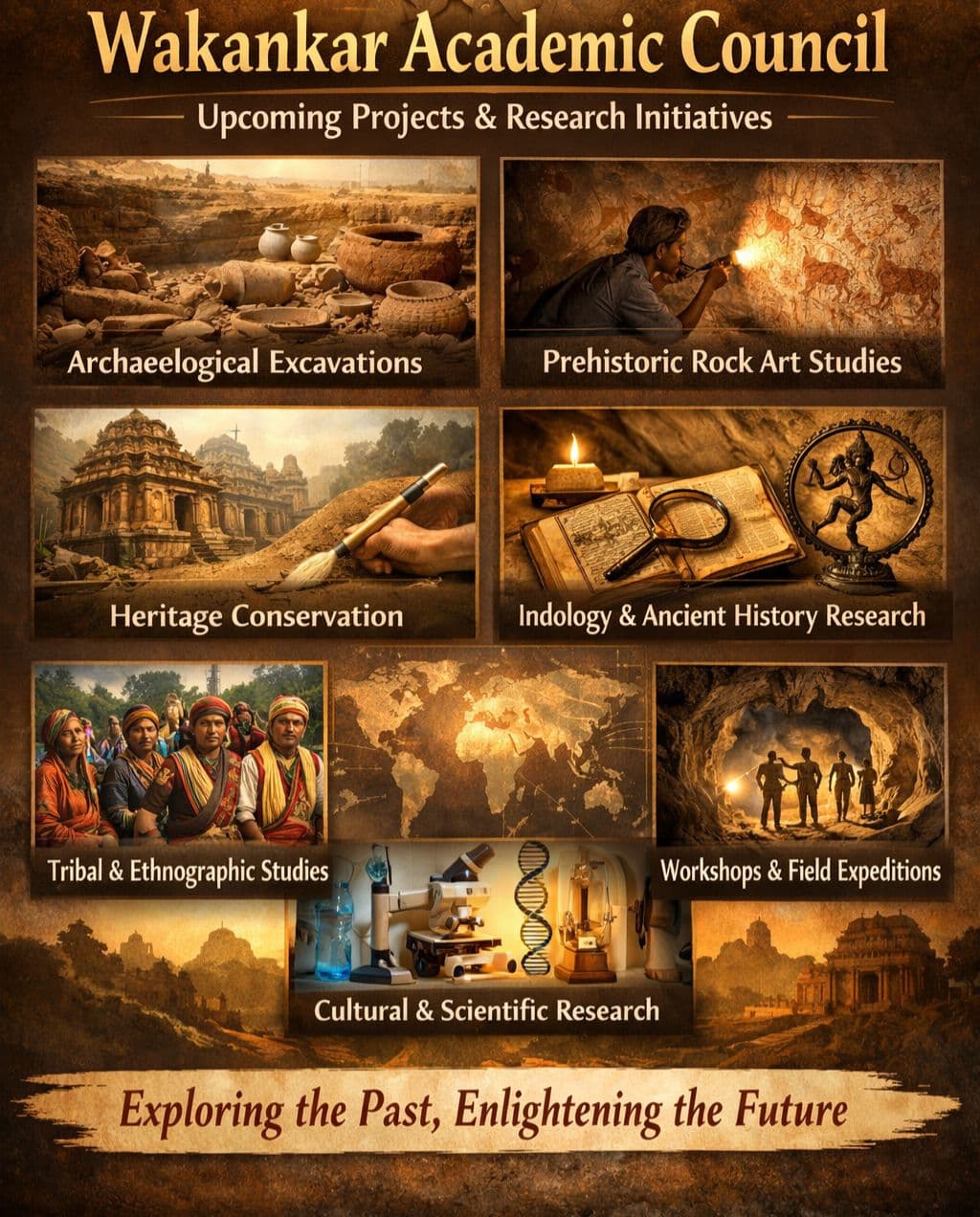
Wakankar Academic Council
Upcoming projects and research initiatives under the Wakankar Academic Council.
Learn more →
Upcoming
Events
Insights
Latest Blogs
18/05/2026
Dr.Vishnu Shridhar (Haribhau) Wakankar and Bhojshala Vagdevi Saraswati Mandir, Dhar, Madhya Pradesh, Bharat
After the landmark verdict by Hon’ble Indore High Court on Bhojshala and Vagdevi Saraswati Mandir, a small town called Dhar where we Wakankars hail from is back in limelight. Noted Indologist and archaeologist Padma Shri Dr. Vishnu Shridhar Wakankar tracked down the authentic Bhojshala Saraswati (Vagdevi) idol in London in 1961.
Read more →
05/04/2026
The Man Who Found India’s First Art Gallery: Remembering V.S. Wakankar
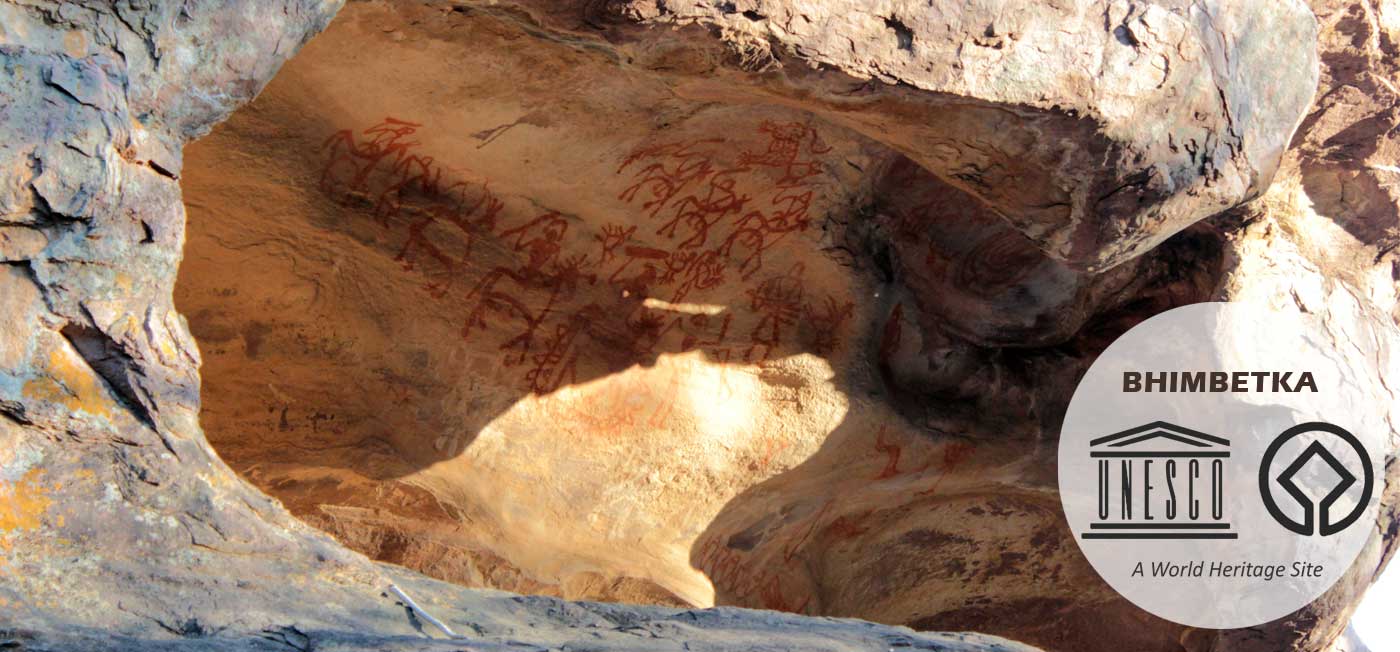
Dr. V.S. Wakankar didn’t just discover caves; he unearthed a lost chapter of the human story. When he stepped into the silent, painted galleries of Bhimbetka in 1957, he bridged a 30,000-year gap between modern India and its prehistoric ancestors. His life’s work—from tracing the mythical Saraswati River to documenting thousands of rock shelters—transformed the rugged landscape of Central India into the world’s oldest open-air museum
Read more →
Support Our Mission
Help Preserve India's Ancient Heritage
Be part of the journey that keeps India’s ancient knowledge, art, and history alive through continued research and preservation.
Be a Contributor